Uganda

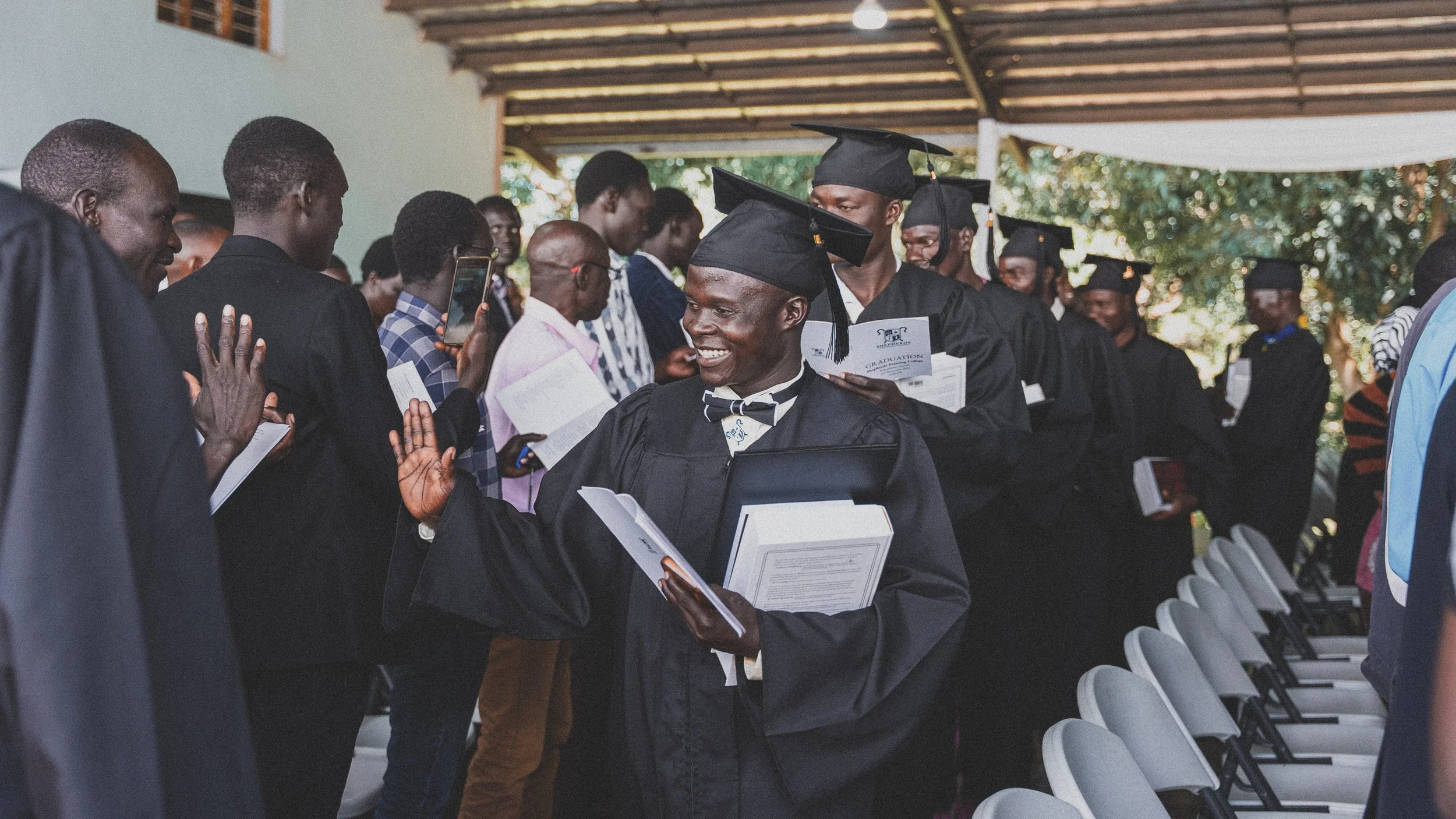
Shepherds Training College
CANDIDATE
Number of Graduates: 142 | Churches Impacted: 100
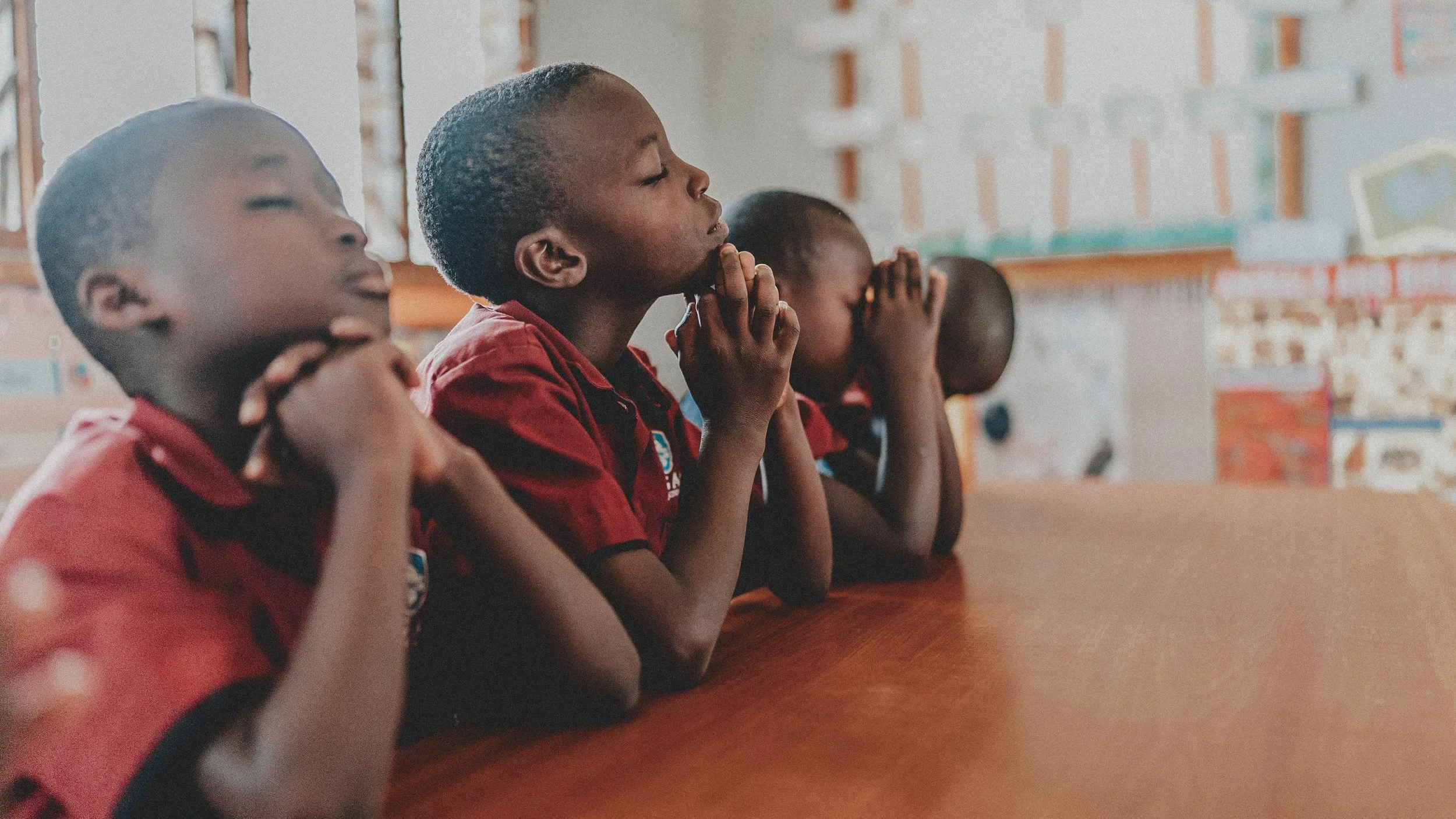
To equip pastors to shepherd God’s Church and proclaim His Word through rigorous, God-centered training.

MISSION
KEY DETAILS ON SHEPHERDS TRAINING COLLEGE
About
-
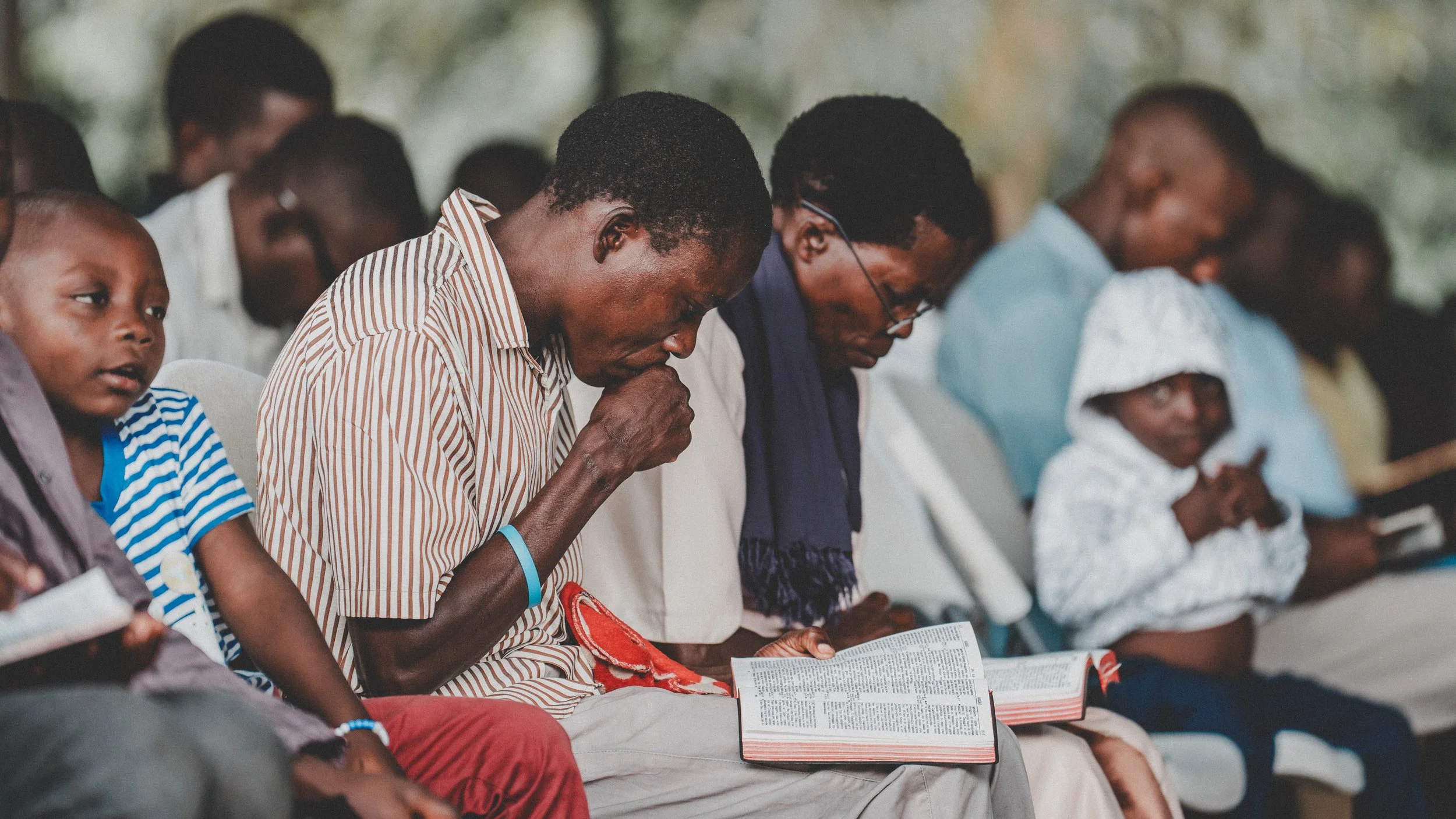
Shepherds Training College (STC) is a residential training institution focused on equipping proven pastors for the weighty task of shepherding God's church. The objective of Shepherds Training College is to equip pastors with a solid, biblical foundation in the gospel and Christian living and to cultivate a deep, genuine love for Christ and His word. Each class has been strategically chosen to practically impact the students' hearts and lives.
-
Knowledge: To provide training focused on biblical and theological accuracy and competency
Character: To develop men who live consistent lives of Christian virtue and provide examples to their communities as demonstrated by faithfulness to God and fruitfulness in ministry
Skills: To equip pastors with essential ministry skills of preaching, biblical counseling, and church leadership
Accessibility: To provide affordable Christian tertiary education to church leaders that equips them to effectively minister in their own local churches and communities
-
Format: weekly classes, cohorts, 3 terms per year for each cohort (1 Cert & 3 Degree)
Platforms used: printed materials, e-learning resources
Key academic components: preaching labs, internships, theological research
Mentorship and discipleship elements: marriage & family discipleship, local church on-site, ministry training, faculty mentorship and discipleship
How students apply their learning in the local church: watching, learning, limited involvement during training. Certificate students have 1 whole year back home doing practical discipleship assignments.
Graduation requirements: typical for Certificate, Diploma, & Degree
Training
-
Certificate in Christian Foundations & Discipleship: The certificate program is designed to equip students with a solid, biblical foundation in gospel doctrine and Christian living and to cultivate a growing, genuine love for Christ and his Word.
Diploma in Pastoral Ministry: The diploma program equips students with a basic theological, biblical, and practical foundation needed to preach, teach, counsel, and shepherd in a manner that is faithful to Scripture.
Bachelor of Pastoral Ministry Degree: The degree program is designed to thoroughly equip men to be God-honoring pastors, to biblically think through theological issues, to faithfully carry out their daily responsibilities, and to manage their homes with love and devotion.
-
Shepherds Training College (STC) is a private Christian institution categorized as an Other Degree Awarding Institution (ODAI) recognized by the government of Uganda. STC was founded in 2018 based on the need in East Africa for competent, affordable, biblical, and theologically-sound Christian tertiary education. In February 2019, STC received its first group of students from a variety of churches and denominational partners.
-
To see a multitude of pastors faithfully shepherding thriving, Christ-exalting churches that transform their communities for the King and his kingdom.
Context
-
Population: 45,905,417 (2024 est.)
Ethnic Groups: Baganda 15.3%, Banyankore 9.1%, Basoga 8.1%, Iteso 6.8%, Bakiga 6.4%, Langi 5.9%, Bagisu 4.6%, Acholi 4.2%, Lugbara 2.7%, Banyoro 2.7%, Alur 2.5%, Bakonzo 2.4%, Batoro 2.2%, Bafumbira 2.1%, other 19.4% (2024 est.)
Languages: English (official), Swahili ( also recognized as an official language) Luganda (most widely spoken indigenous language), Runyankore-Rukiga (southwest), Lusoga (east central), Acholi (north), Alur (northwest), Ateso (east), Karamojong (northeast), Lugbara (northwest), and other indigenous languages (2023 est.)
Religions: Christian 81.7% (includes Roman Catholic, Anglican/Church of Uganda, and Pentecostal/Evangelical), Muslim 13.2%, traditional/indigenous religions 0.1%, other religions 1.5%, unaffiliated 0.2% (2024 est.)
Refugees and Internally Displaced Persons
Refugees (Country of Origin): 1,057,000 (South Sudan), 595,000 (Democratic Republic of the Congo), 95,000 (Burundi), 45,000 (Rwanda), 33,000 (Ethiopia), 30,000 (Somalia), 18,000 (Sudan), 10,000 (other countries) (2025 est.)
Stateless Persons: 67,000 (2024 est.)
Stats from the Uganda Bureau of Statistics (UBOS), the United Nations High Commissioner for Refugees (UNHCR), and Office of the Prime Minister, Republic of Uganda (OPM)
-
This landlocked country in east-central Africa is home to a diverse society of ethnic groups. Uganda’s rich and fertile soil has made coffee a major source of agricultural industry and the nation’s top export commodity. Although its primary language is English, Uganda also recognizes Swahili as an official language, in common with its East African neighbors, Kenya and Tanzania.
Uganda obtained formal independence on October 9, 1962, from British colonial rule. Until 1967 Uganda operated as a quasi-federal state with five subregional monarchies, several non-monarchial districts, and a central government. In the following decades, political conflict, environmental challenges, and the outbreak of a widespread AIDS epidemic posed obstacles to economic growth. In the early 21st century, a popularly elected civil government brought greater political stability to Uganda.
Although Uganda has one of the largest Christian populations among the African nations, ancestral tribal religions continue to be practiced alongside Christianity in many homes, resulting in a syncretistic religious culture.
Compiled from Encyclopædia Britannica and Operation World
HOW TO PARTNER
Support Shepherds Training College
LEARN MORE
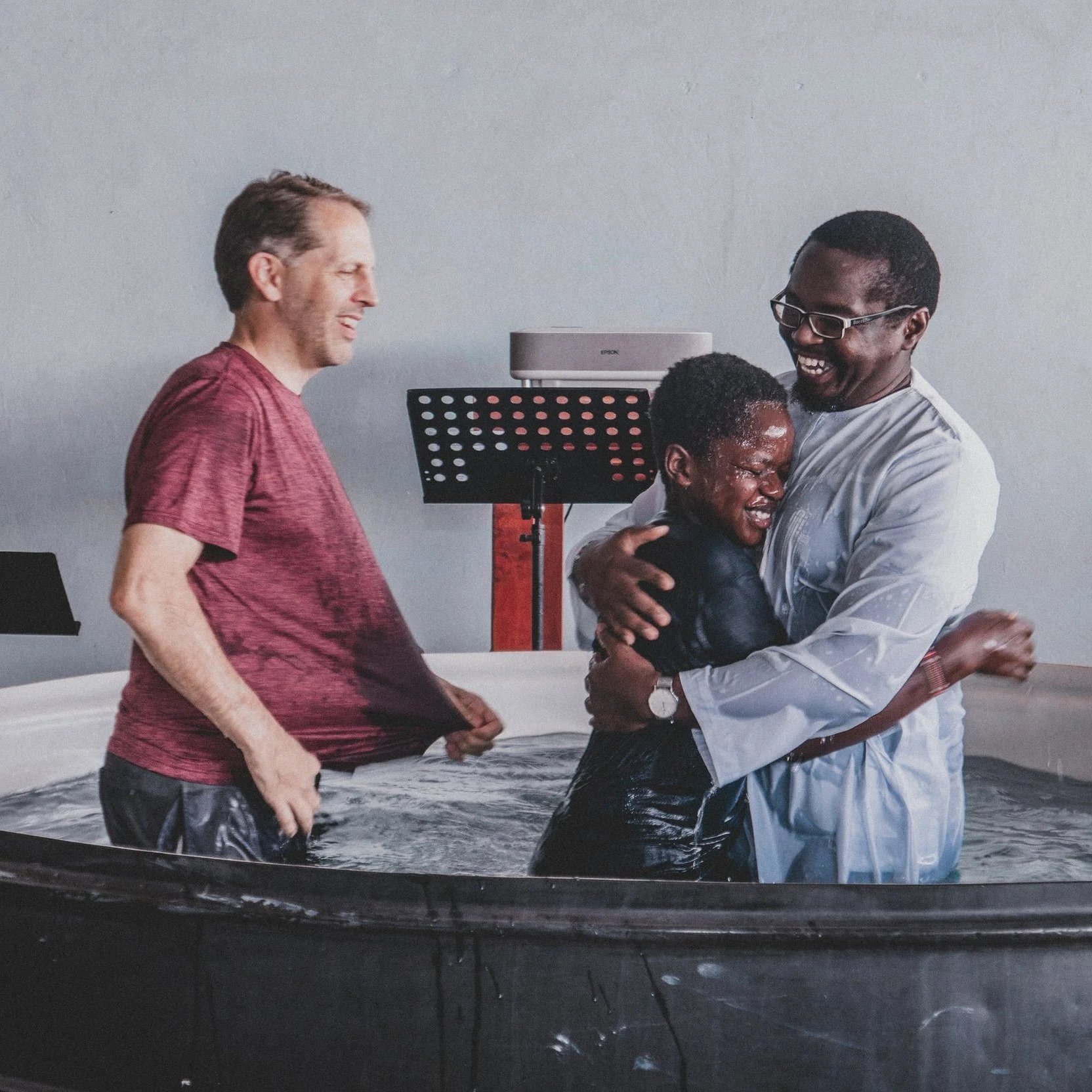
A Story from Shepherds Training College